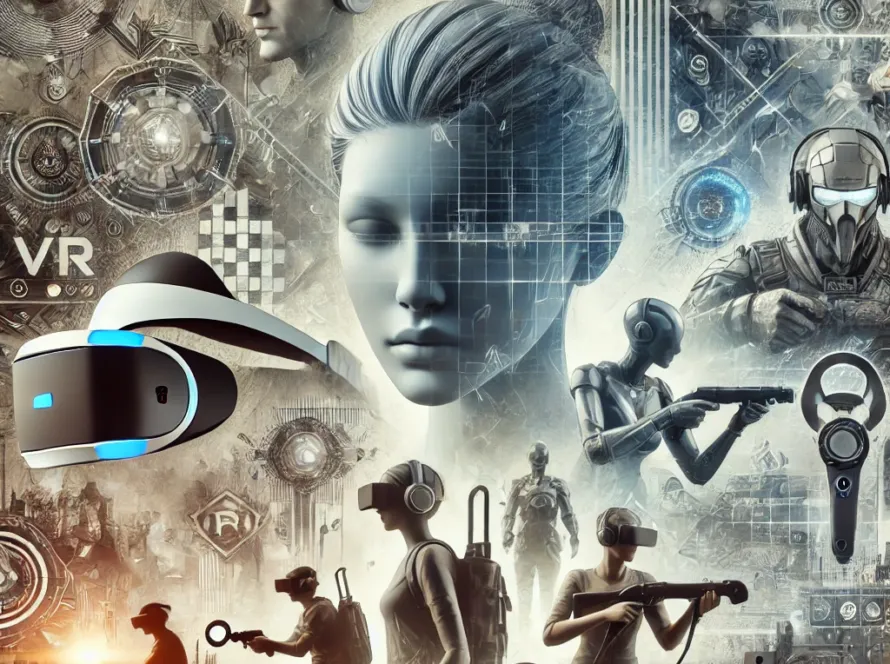
A time when VR technologies were no longer interactive is behind us—they have now become part of marketing and corporate innovation. A VR showroom is an interactive virtual space that allows customers to view and evaluate products through virtual eyepieces or a computer screen. This is a new form of shopping center that allows shoppers to buy goods in a realistic virtual environment.
A VR showroom has several advantages for businesses:
- Cheaper rental and service than a physical store;
- Products can be shown in the best possible way, which helps to gain the respect of potential customers and promote sales conversion;
- A VR showroom allows you to create unique virtual spaces, which can be used to promote a brand and enhance the company’s image.
Also, a showroom in virtual reality is an important tool for business, as it allows you to save money, improve the display of goods, and promote sales conversion.
VR allows customers to interact with products in a more immersive way. They can “try on” the product or interact with it in a virtual environment, which helps them make better purchasing decisions.
In this way, it is easier for the seller to remove the possible restrictions of buyers until the purchase is complete, and it is also easier for them to become interested in it.
Retailers are using both VR, where customers typically wear a headset to enter a completely digital world, and AR, which overlays digital projections onto the real world and can be accessed on a smartphone. Such technology is being used to sell products that shoppers have traditionally been reluctant to buy online. Furniture is one example where consumers want to see the size of items to check how they fit into their homes, writes Bernard Marr in Forbes.
Now IKEA’s The Place App allows customers to do just that by projecting a digital version of the chair or table into the room where it is going to end up.
Here are some successful cases of VR/AR use:
- L’Oréal increased online sales by 62% after launching an augmented reality campaign;
- IKEA VR apps were viewed on the App Store 13 million times in the first six months after publication;
- 51% of Marriott hotel clients decided to upgrade to their favorite hotels after learning about them through VR tours.
Shopping is about to get personal. Virtual assistants powered by AI are already guiding customers through their online shopping experiences, making personalized recommendations that lead to more sales and more loyalty. Brands that incorporate personalization like this into their digital commerce strategy have reported a 71% increase in customer loyalty.
But this is just the beginning. In the future, these assistants will be more than just chatbots. They’ll act as personal shopping guides, learning the preferences of each customer and scrolling through thousands of variants to suggest the perfect products for their needs.
By 2030, this software will have been integrated into everyday apps, and it has the potential to give customers intelligent shopping suggestions as they get dressed—and bring it all to life with VR.